Glaucoma diagnosis and treatment

Glaucoma is a common condition that can go undiagnosed in its early stages. Unfortunately, it can cause permanent vision loss, which is why early diagnosis and management are vital.

At ERS Suntec City, we can perform screening to find the early signs of glaucoma and diagnose it as soon as possible. This can help patients avoid further vision loss if they have the condition.

What is glaucoma?

Glaucoma is often called the silent thief of sight. This is because its early stages can easily go unnoticed despite already causing damage to a person’s sight. 

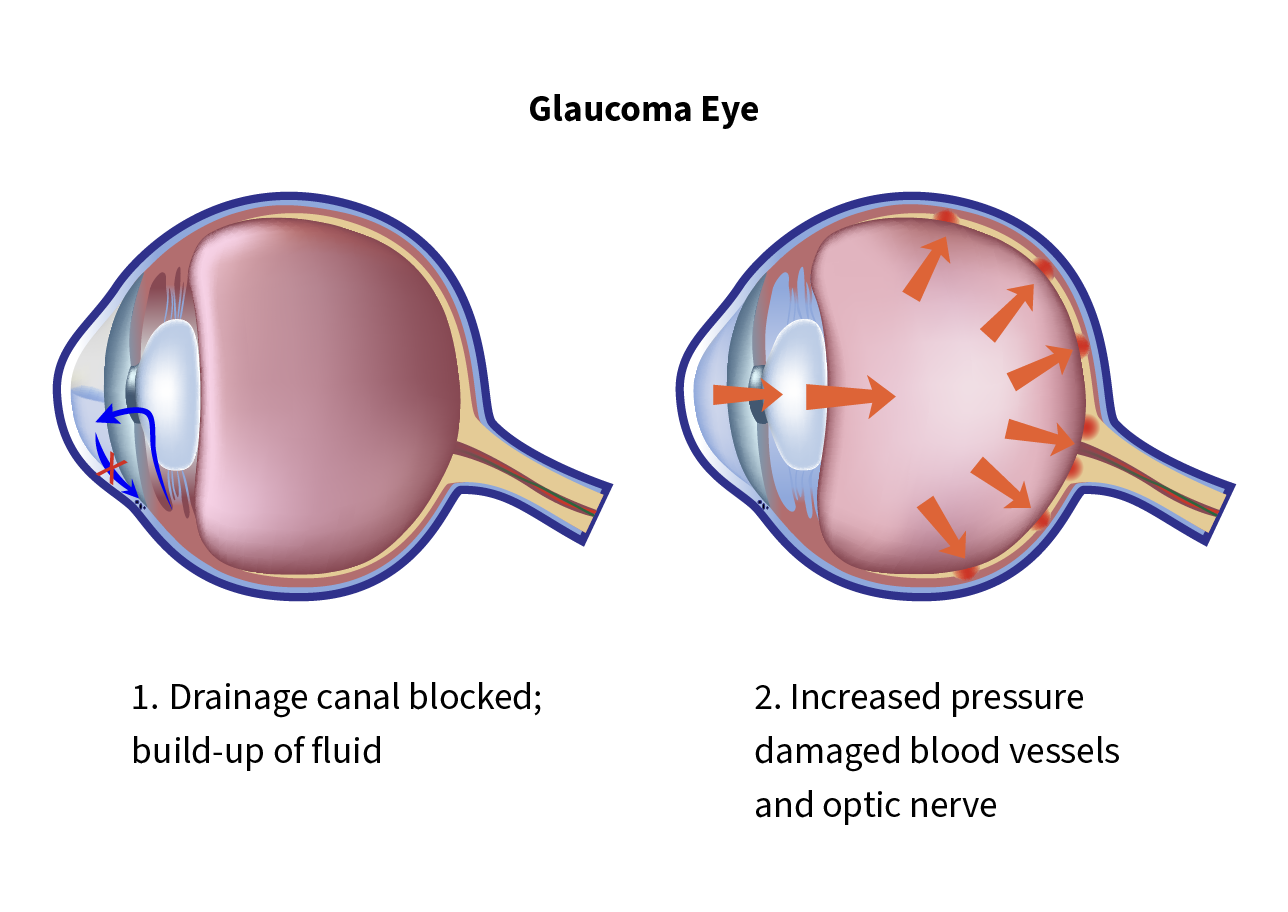
The condition is caused by increased intraocular pressure (pressure in the eye), which compresses the eye’s nerves. This can cause progressive vision loss and may even lead to irreversible blindness if not addressed early on.

Types of glaucoma

There are different types of glaucoma, with different causes and risk factors.

Primary Open-angle Glaucoma

Open-angle glaucoma occurs when the increase in eye pressure is due to the eye’s drainage system losing efficiency. It still drains fluid, but not quickly enough to prevent pressure buildup.

This glaucoma often begins to show as worsening peripheral vision. As the condition becomes more advanced, the vision loss progresses towards the central part of your vision.

Primary Angle-closure Glaucoma

Angle-closure glaucoma is from the eye’s drainage system actually being blocked. Because no drainage is happening, this glaucoma often presents as an abrupt and dramatic rise in intraocular pressure. 

Pain is a common symptom of this glaucoma, as are blurry vision, nausea, and redness in the affected eye. This is considered a medical emergency and the glaucoma surgery recommended for it is performed via laser.

Congenital Glaucoma

Congenital glaucoma is inborn. Very often, people with it have a family history of the condition, and the cause is typically an abnormality in the eye drainage system.

This abnormality is often enough to make the system less effective, leading to a gradual rise in eye pressure.

Secondary Glaucoma

A secondary glaucoma is so-called because it is caused by another primary condition. Examples of conditions that can cause glaucoma are diabetes and eye trauma.

This type of glaucoma can be diagnosed by an eye doctor, like the others. Your doctor will be more likely to check for it if you have conditions associated with glaucoma development, like the ones mentioned above.

The symptoms of glaucoma

Glaucoma symptoms rarely show until the central part of a patient’s vision is affected. Acute glaucoma can show these symptoms, however:

Arrange for a consultation for eye screening and early diagnosis

If you suspect you have glaucoma, you can see one of our doctors for a consultation. We can help diagnose your condition and identify the next steps to prevent further vision loss.
BOOK AN APPOINTMENT

Dr Daniel Su Hsien Wen

Ophthalmologist
Partner and Senior Consultant
MBBS(S'pore), MMed(Ophth), FRCS(Edin), FAMS


Dr. Daniel Su Hsien Wen is a Partner and Senior Consultant at Eye & Retina Surgeons and former Senior Consultant at the Singapore National Eye Centre (SNEC) Glaucoma Service. An NUS graduate, his training includes a Glaucoma fellowship at the Duke Eye Centre in the USA. He is also a published researcher in ophthalmology and glaucoma, and has contributed to various book chapters and clinical trials.

Who is at risk for glaucoma?

Certain people are at greater risk of developing glaucoma, as you can see in these risk factors:

Glaucoma diagnosis

Doctors use specific tests and a comprehensive eye check to diagnose glaucoma. Among other things, the tests help them exclude other abnormalities that may cause similar symptoms.

Dilated Eye Exam

Dilated eye exams begin with the use of eye drops that cause the pupils to dilate or widen. This allows the doctor to see better into the rear part of your eye for inspection.

Tonometry

This test measures the pressure inside your eye. Depending on the type of tonometry performed, it may involve carefully indenting or flattening part of the cornea to test pressure.

Angle Exam

The angle exam involves inspection of the angle where the iris and cornea meet. By studying this angle, a doctor can identify if the eye’s drainage system is blocked.

Visual Field Test

Often referred to as perimetry, this checks if your peripheral or side vision is still normal. It can help doctors identify possible reductions in vision or unnatural blind spots.
Come for an appointment with one of our doctors for an eye screening today. An early glaucoma diagnosis can help you avoid further vision loss with prompt treatment.

Glaucoma treatment and prevention

Many people come to ophthalmologists seeking glaucoma treatment after being diagnosed. However, the condition cannot be treated – it can only be managed. 

This is why early diagnosis and prevention are critical. Once glaucoma has set in, all that patients can do is try to reduce their eye pressure in order to prevent further vision loss. The solutions below are among the options for that.

Medication

Opthalmic eye drops are among the most common treatments for reducing intraocular pressure. Prostaglandin analogs, beta-blockers, and similar drops can reduce the amount of fluid in the eye or improve drainage.

Laser surgery or treatment

Some types of glaucoma can be treated by using lasers to clear blocked drainage tubes. There are three possible types of surgeries for this:
  • Cyclophotocoagulation - This is when the lasers target the ciliary body to lower the amount of aqueous humour (eye fluid) produced.
  • Iridotomy - This involves the creation of a small drainage hole in the iris to lower eye pressure.
  • Trabeculoplasty - For this, a laser again improves eye fluid drainage by opening the trabecular meshwork area.

Glaucoma surgery

If medication does not work in reducing intraocular eye pressure, glaucoma surgery may be necessary. This typically involves the removal of some of the eye’s drainage tubes to improve fluid outflow.

Living with Glaucoma

If you have been diagnosed with glaucoma, you should follow your eye care specialist’s guidance on treating and managing this condition.

Your eye care specialist may also recommend making certain changes to your life, habits or routine, such as the following:
It is vital to visit your eye care specialist if you notice new symptoms, if treatments aren’t as effective as expected, or if you have treatment side effects that are disrupting your life. Your eye care specialist will guide you on the next steps to take.

Come to ERS Suntec City for an eye screening

The earlier glaucoma is diagnosed and managed, the better your chances at preventing permanent vision loss from it. Our doctors can help you find out if you have the condition and what steps to take if you do.
SCHEDULE AN APPOINTMENT

Your Visit at ERS Suntec City

Your appointment will take approximately 30-45 minutes. You begin with registration, then screening, and finally, consultation.

If available, please bring along any referral letters and glasses to your appointment.
ERS Suntec City
3 Temasek Boulevard
Suntec City (near Tower 5)
#01-402
Singapore 038983

Opening hours
Monday - Friday, 10am - 6pm
Saturday, 10am - 1pm
Closed on Sundays and Public Holidays
BOOK AN APPOINTMENT

FAQs on Glaucoma Management

Glaucoma is generally caused by a buildup of pressure inside the eye, which happens when the eye’s natural drainage system becomes less efficient or is blocked. 

This increased eye pressure may be caused by a number of things, including gradual drainage inefficiency (often associated with open-angle glaucoma), sudden drainage blockages (associated with angle-closure glaucoma), structural abnormalities present from birth (congenital glaucoma), or even eye injuries and other medical conditions.

Glaucoma vision typically begins by first affecting side (peripheral) vision, leading to blind spots at the edges. Over time, the damage can work towards the central vision, resulting in noticeable blurring or dimming in what the patient sees.

Early glaucoma patients often report needing more light, experiencing glare, or seeing reduced contrast. They may also report tunnel vision.

Glaucoma is detected using diagnostic tests such as tonometry (measuring intraocular pressure), visual field tests (detecting peripheral vision loss), and inspection of the optic nerve via imaging (e.g., OCT) or dilation, combined with angle assessment.

These tests must be conducted by an eye specialist to be properly diagnostic, not by the patient in a self-test.

No, vision loss due to glaucoma is permanent and cannot be reversed. Early detection by an eye doctor is therefore crucial in managing this condition.

Glaucoma is serious and may lead to irreversible vision loss if untreated, but it is not classified as a “critical illness” in the same way a stroke or cancer is. It nonetheless requires vigilant long-term management.

With early detection and a proper treatment plan, glaucoma can be managed, and vision loss can be prevented or slowed through medication, laser treatments or surgery.

All surgeries carry risks (e.g. infection, bleeding, pressure fluctuations), but glaucoma surgery often sees success rates within 70% to 90% during the first years following the procedure. It may help slow or prevent further vision loss, even though it generally cannot restore vision already lost.

Glaucoma currently cannot be cured and any vision loss from it is permanent, but treatments (e.g. drops, lasers, surgery) may slow or prevent further damage.

There are a few ways to reduce glaucoma risk or slow its progression.
 
Regular eye exams, good control of eye pressure, and management of conditions like diabetes or hypertension are important. Using protective eyewear to prevent eye injuries and avoiding medications or habits that raise eye pressure can also help protect vision.

WhatsApp Scroll to top